Calm & recovery

Rest is not the same as not working.

You can spend twenty minutes sitting still and come out of it no more recovered than you went in. Whether calm actually happened is a physiological question, and it is one you can be measurably wrong about.

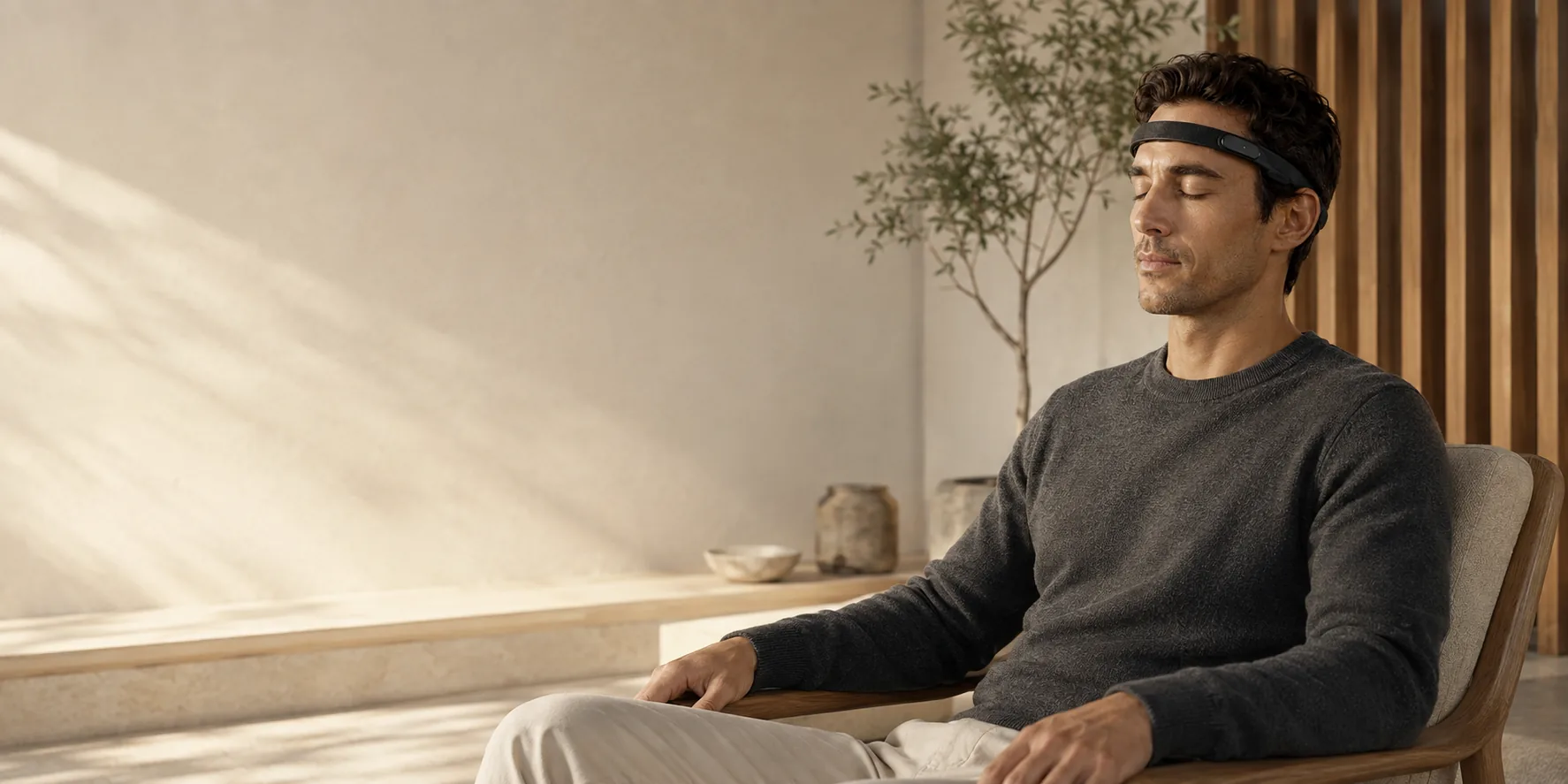
A person sitting with eyes closed, relaxing, wearing the Ninug band

What you can see

Three things worth knowing about your own calm.

01

Whether the session worked

Meditation apps have never been able to tell you whether anything happened — only that you sat there for the right length of time. Alpha and frontal rhythms shift measurably as someone settles, and so do heart-rate variability and skin conductance. Afterwards you can see which of your sessions actually landed.

02

What you’re carrying without noticing

Jaw clenching is one of the most honest stress signals there is, and almost nobody knows they are doing it. Clench-minutes per day is a concrete number, it moves fast when things change, and people believe it immediately because they recognise it the moment they see it.

03

Which techniques suit you

Breathwork, body scan, walking, music, doing nothing at all. The evidence for “which method is best” is thin in general and irrelevant in particular. What matters is which one works for you, and that is testable in a fortnight.

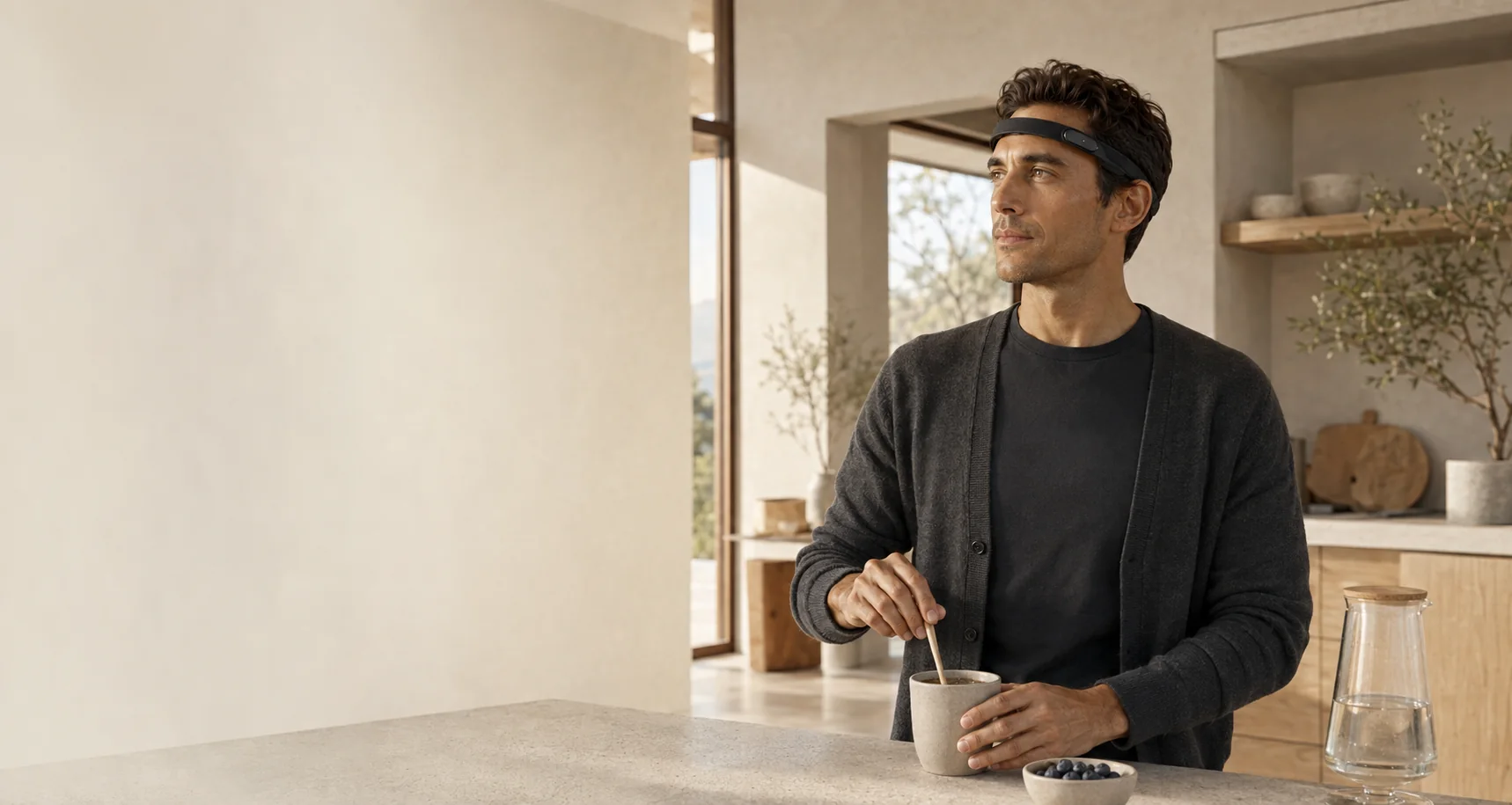
A person at home in the morning wearing the Ninug band

The recovery nobody tracks

The hours between the demands.

Sleep gets all the attention because it is easy to think about as a block. But most of the recovery available in a day happens in the gaps — and most people spend those gaps in a state that is not restful at all.

  • Whether your breaks are breaksTen minutes with a phone often shows no recovery signature whatsoever
  • How long you take to come downAfter a difficult meeting, a commute, an argument. Recovery speed is trainable, and visible
  • Whether stress is clearing overnightOr arriving at the next morning still loaded — which is the pattern that compounds
  • Where your calm actually comes fromFor many people it is not the thing they have been told it should be

Where we stop

This is not treatment for anxiety.

Ninug measures states associated with stress and calm. It does not diagnose anxiety, depression or any other condition, and it does not treat them.

If stress is affecting your life, the useful next step is a person, not a wearable. What we can offer is a record to bring to them, and honest feedback about what genuinely helps you on an ordinary day.

We also do not run neurofeedback training sessions at launch. The clinical evidence for consumer neurofeedback is more mixed than the marketing in this category suggests, and we would rather ship the measurement first.
Meditation teachers, therapists and studios.

If you teach this for a living and have always wanted to know whether it is landing, we would like to talk.