In development
Know your mind.
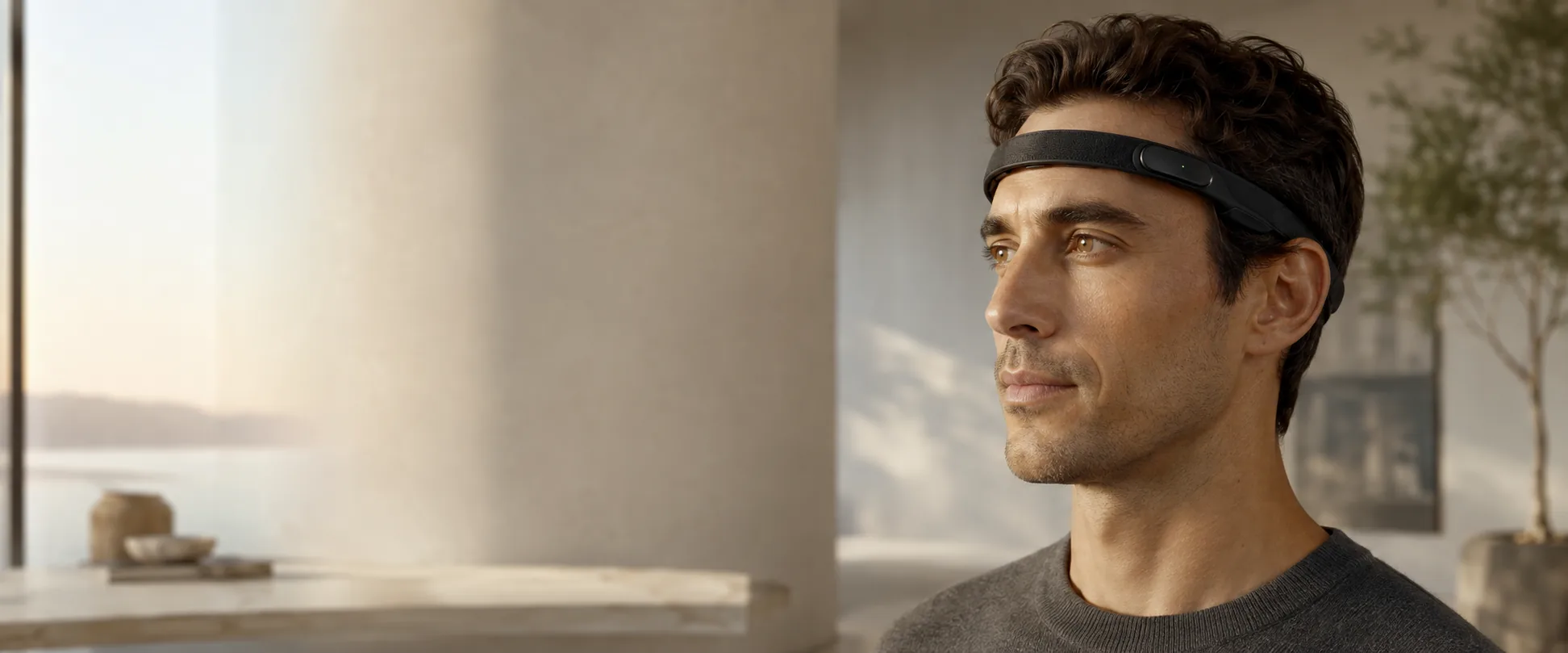
A band that reads your brain activity — and the room you're sitting in — and tells you what actually changes how you focus, sleep and recover. Not a guess from your wrist. The signal itself.
In development
A band that reads your brain activity — and the room you're sitting in — and tells you what actually changes how you focus, sleep and recover. Not a guess from your wrist. The signal itself.
The gap
You know you had a bad day. You don't know whether it was the four hours of fragmented sleep, the CO₂ level in the room, the noise, or nothing at all.
Wrist wearables infer your state from heart rate and movement — useful, but second-hand. The organ doing the work is the one nobody is measuring. And no device on the market connects what your brain is doing to the environment it's doing it in.
That gap is the whole product.

What you see
Every score is measured against your own baseline — never a population average. Brains differ enormously; the signal is in how yours changed.
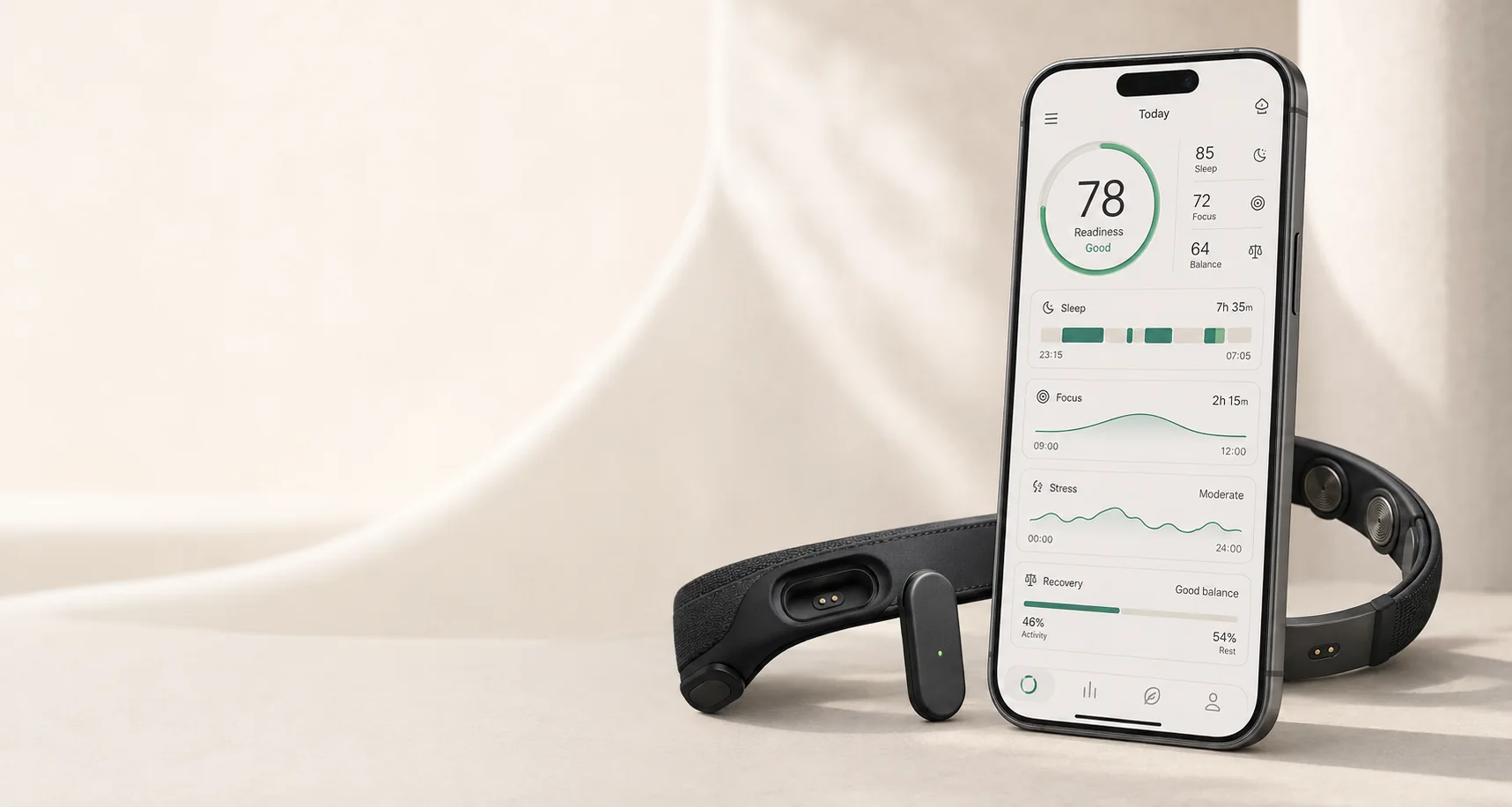
How much your brain has to spend today, from last night's recovery, your current fatigue and your body clock.
Not how hard you concentrated — how consistently. Attention is measured by its drifts, not its peaks.
Built on shifts in your own resting rhythm and eye-closure patterns — the things that change before you feel tired.
Deep-sleep minutes, and whether your sleep pressure actually dissipated across the night. Only visible with EEG.
Heart-rate variability, plus jaw-clench minutes — the tension you carry without noticing it.
Slow eye movements, long closures and head nods. The clearest, fastest signal we can read.
Opt-in. Tracks slow drift in your own long-term baseline, and suggests one thing: talk to a clinician.
Ninug is a wellness product. It does not diagnose, treat or monitor any medical condition, and it never names one.
The app
You should be able to learn what you need in about four seconds, standing up, before coffee. Everything else is there if you go looking for it.
The band
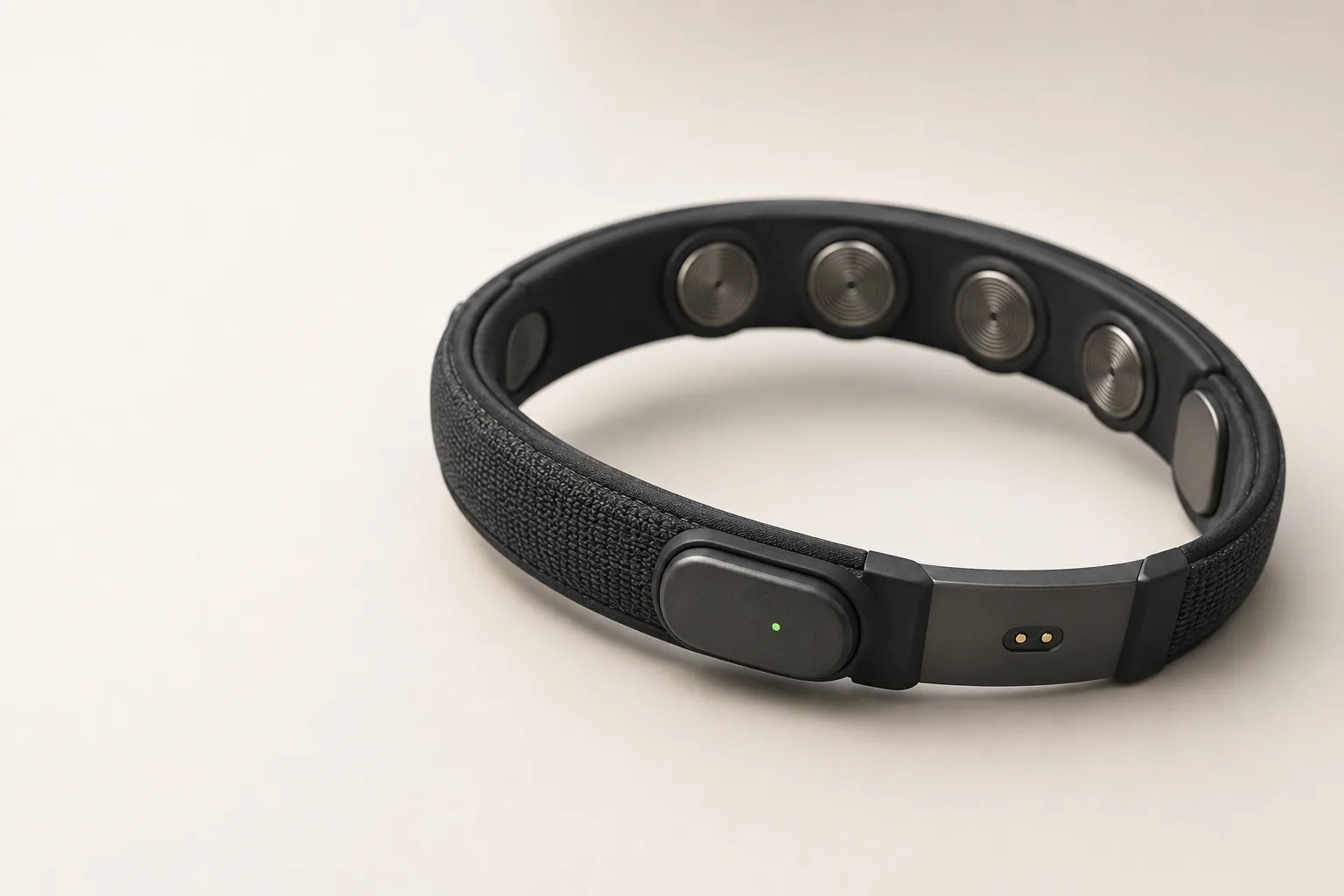
Dry electrodes, so there’s no gel and no ritual. One-handed to put on with your eyes shut, because that’s when you’ll actually be putting it on.
The other half
A stuffy room with the windows shut measurably degrades cognitive performance. So does noise. So does the wrong light at the wrong hour. These effects are large, well documented, and completely invisible to the person experiencing them.
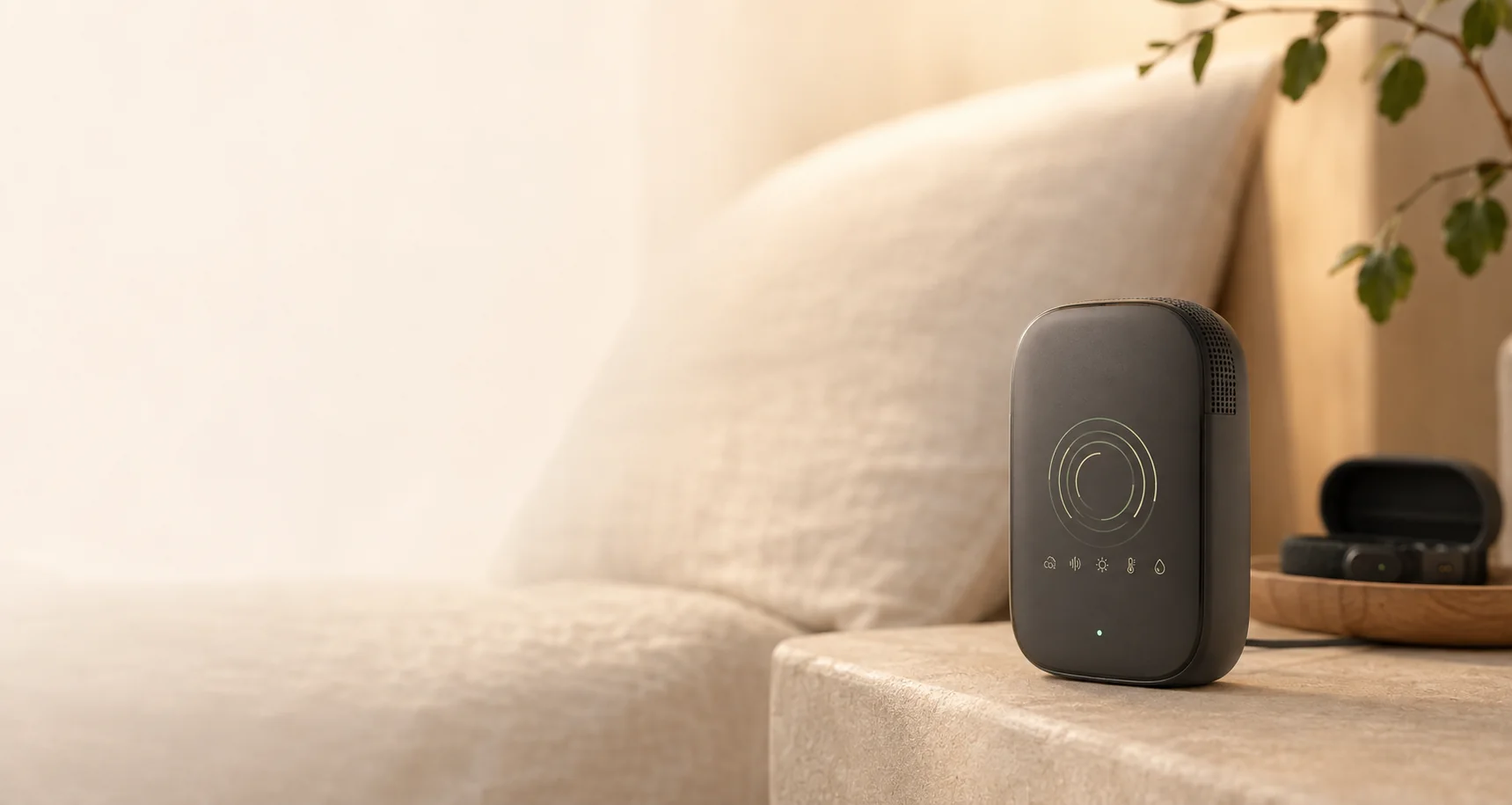
The band reads you. A small room sensor reads the air, the light and the noise. Neither is interesting alone.
Over weeks, the correlation between the two becomes obvious — and personal. Your best conditions are not someone else's.
Open a window. Move desks. Shift a study block two hours later. Small, cheap, testable — and now you can see whether it worked.
This is the part we're most confident about. You don't need to believe anything about brain waves for it to be useful — you only need to believe that a room can be measured, and that it matters.
Who this is for
The device is the same. What you ask of it isn’t — and each of these is a different set of claims, limits and reasons to be careful.
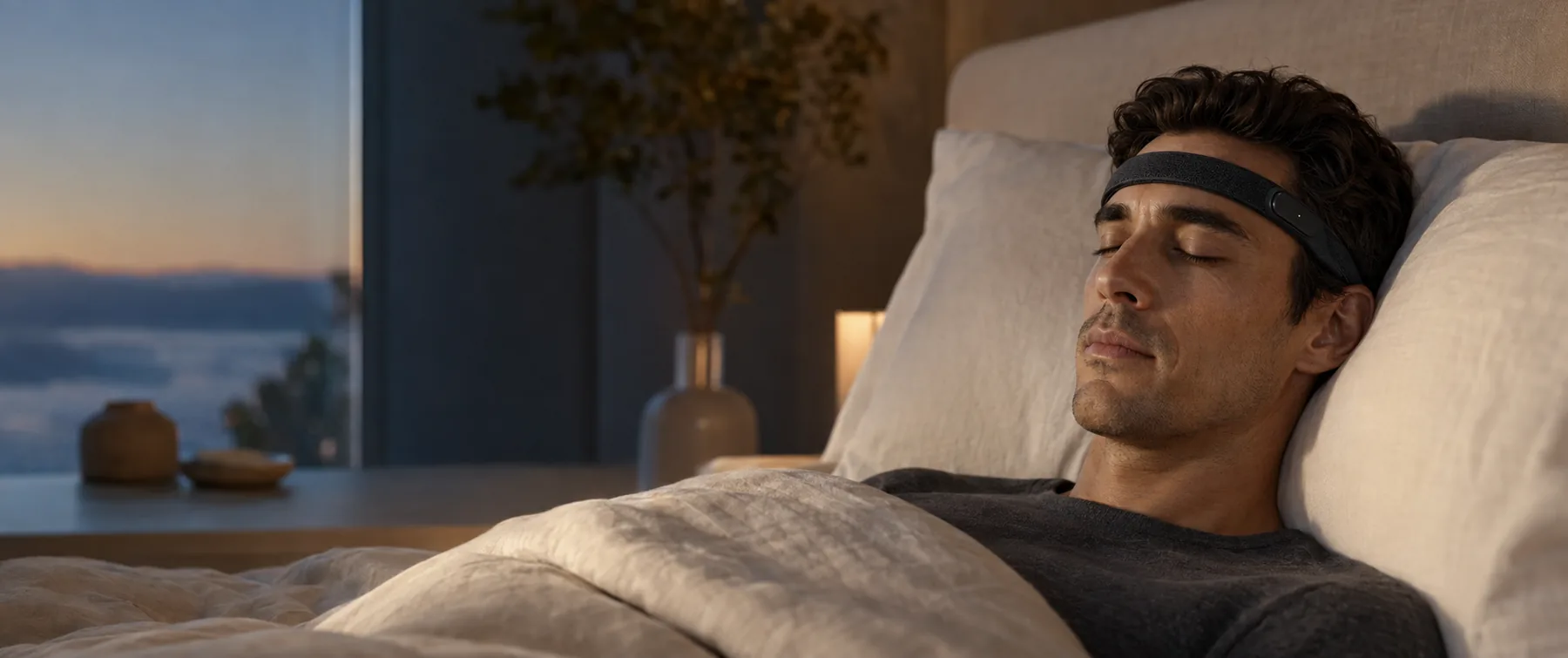
Staged from the brain, not guessed from your pulse
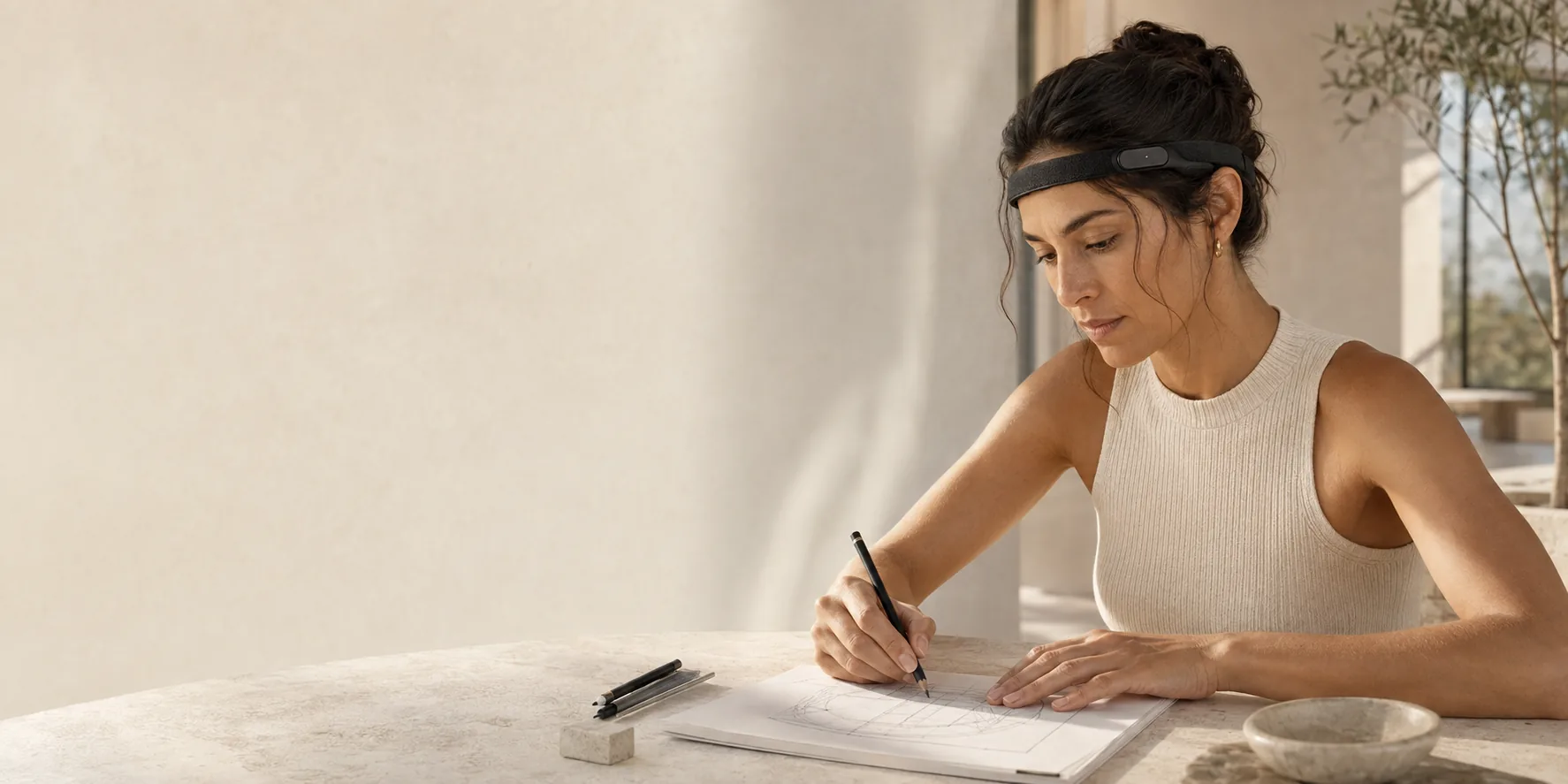
Your real best hours, and what the room costs you
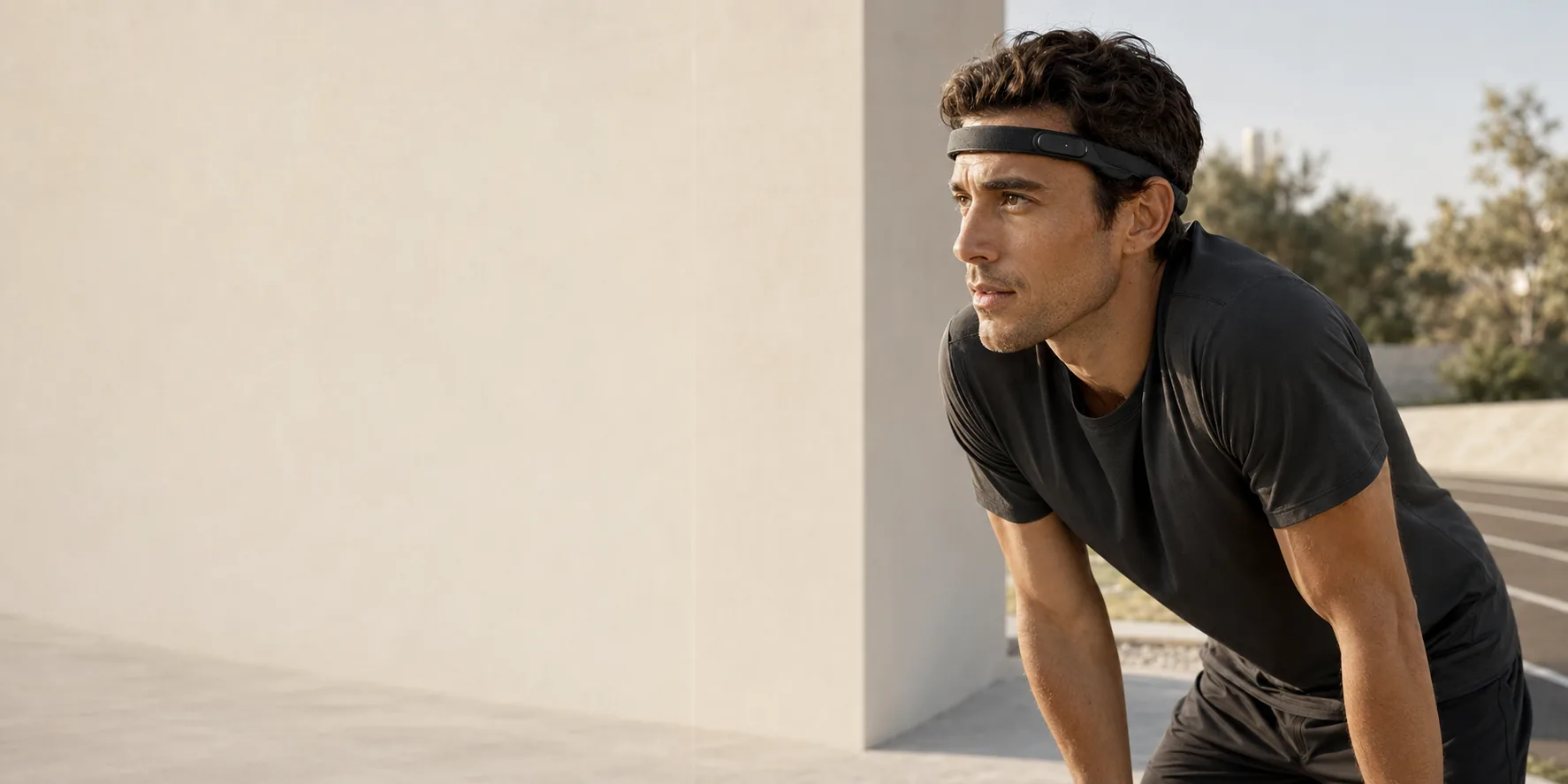
Central fatigue, readiness and overreaching

Drowsiness, with warning before you know
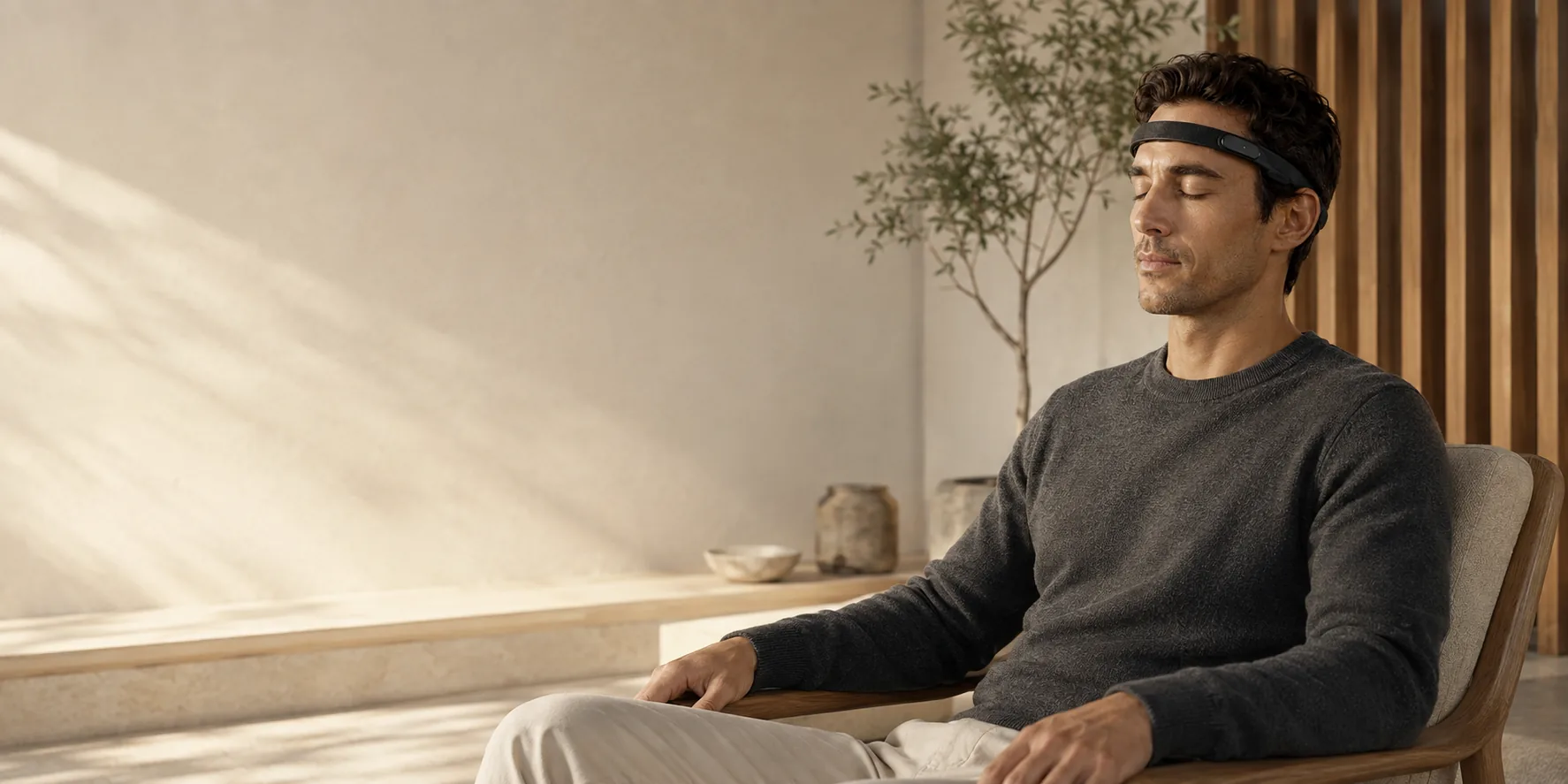
Whether the session actually worked
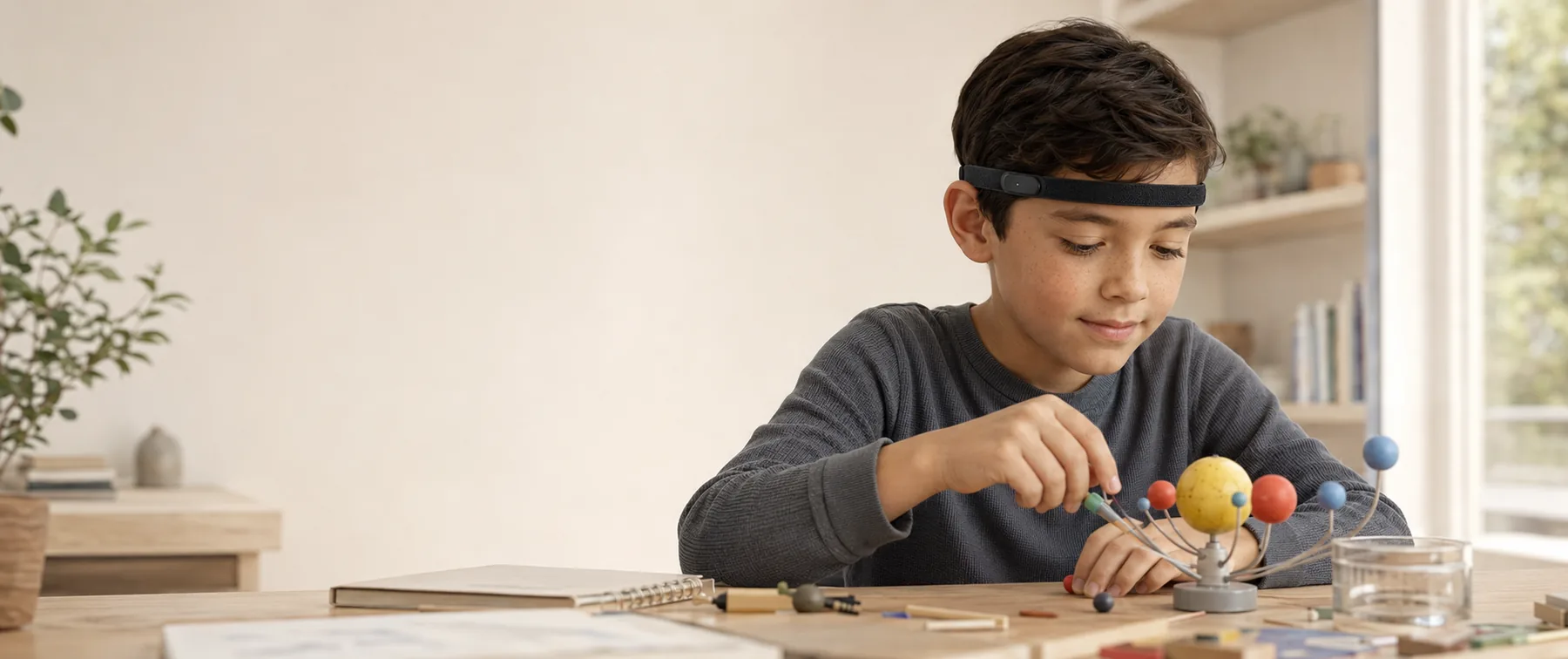
Attention measured, and the classroom measured with it
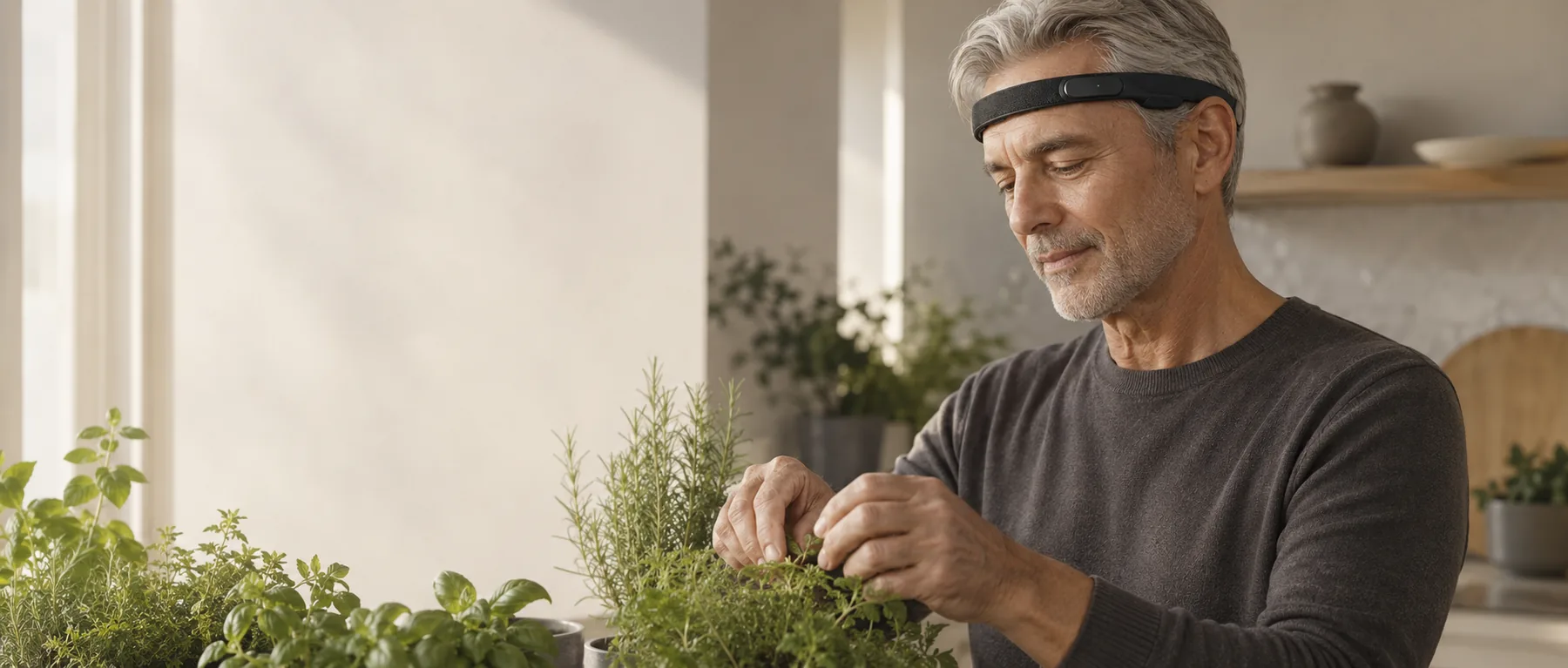
A long, quiet record to take to a doctor
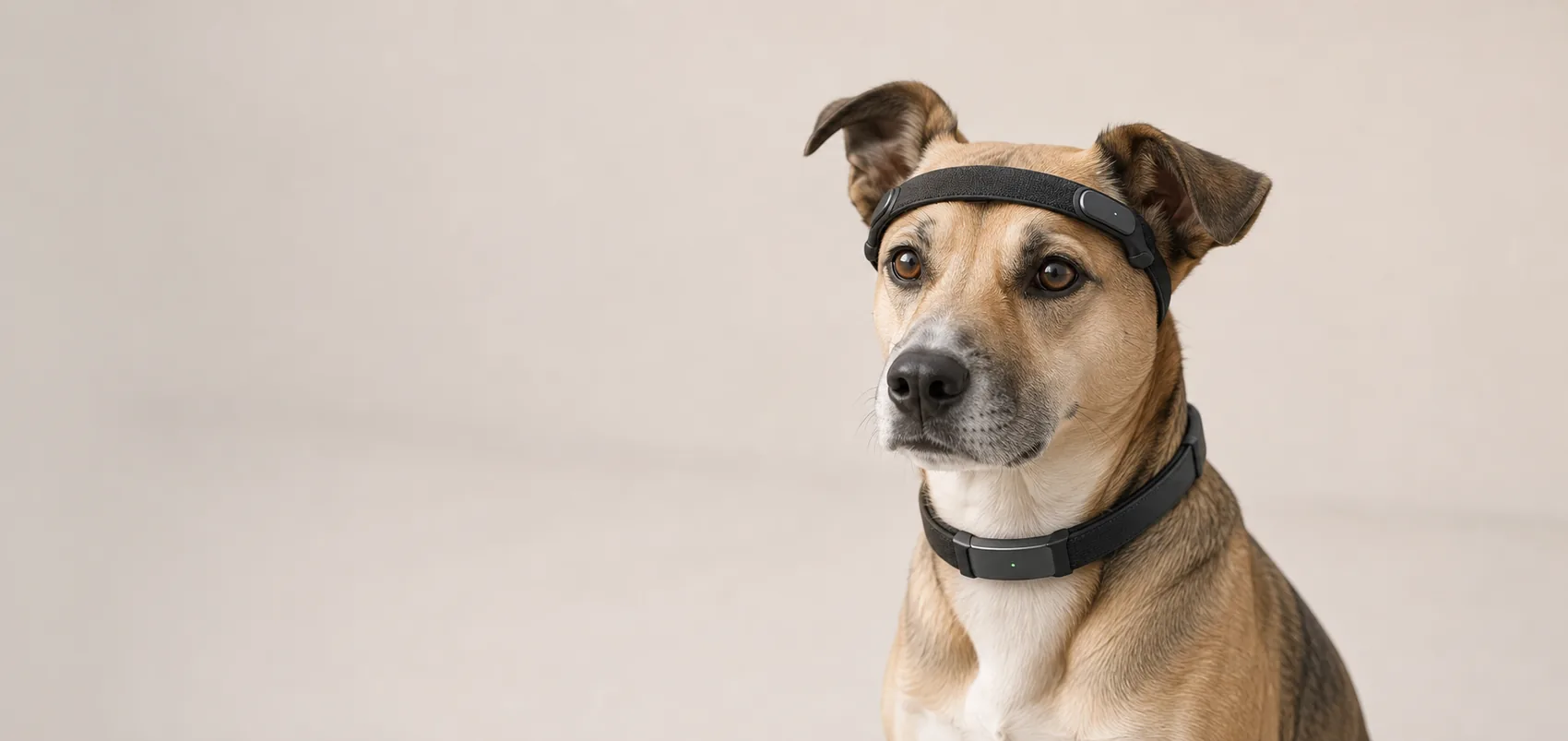
The one patient who cannot tell you anything

Early illness, and welfare you can evidence
“Picture a classroom. Twenty-four students, one teacher, and one child for whom the hum of the lights and the scrape of the chairs sound like an orchestra playing out of tune inside their head. For everyone else it's background noise. For that child it's overload. That child was me.”
— From the original project notes behind Ninug
A brain with ADHD is not broken. It is trying to survive in a world that was not designed for it. We would rather measure the world.
Beyond people
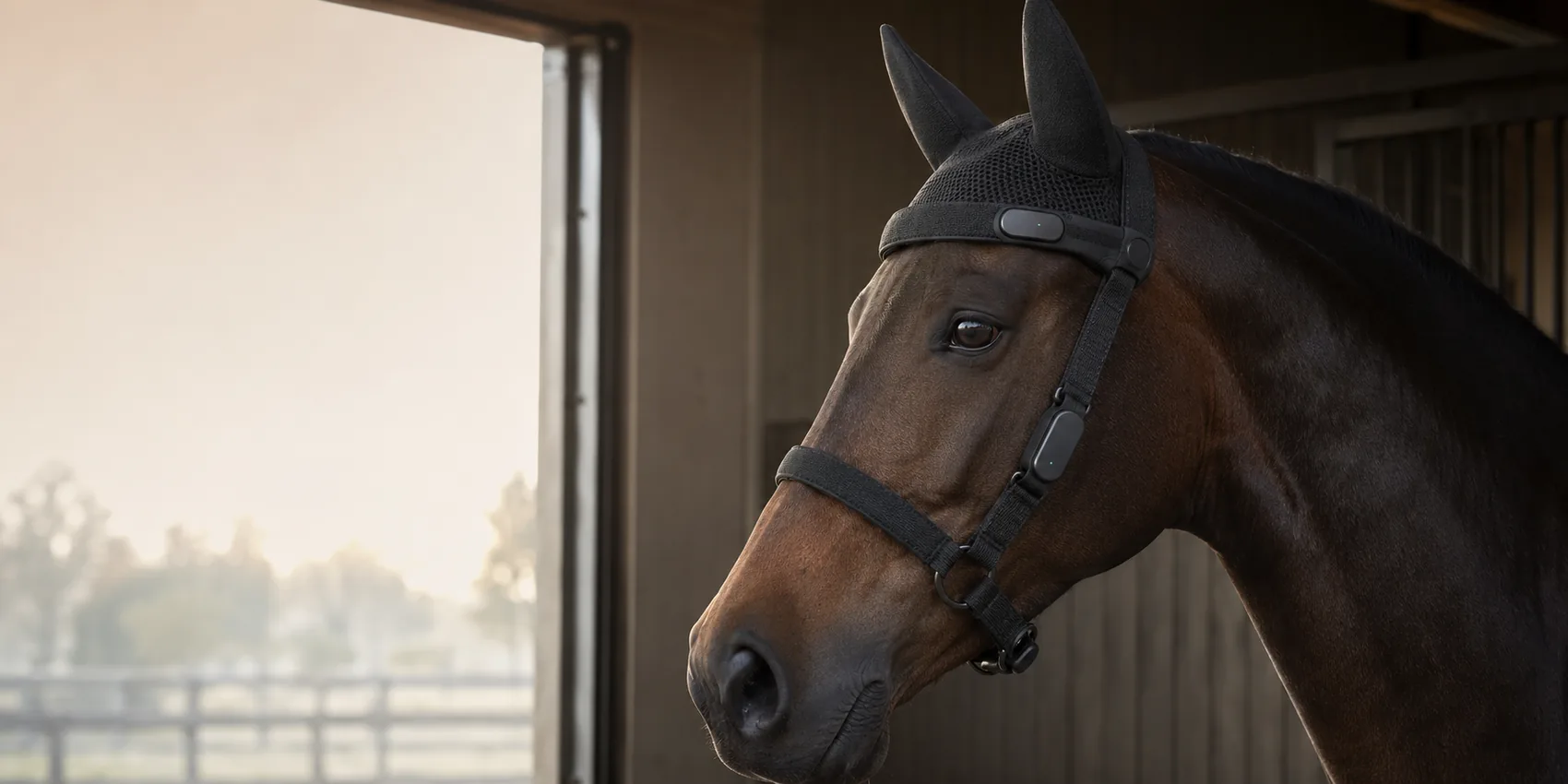
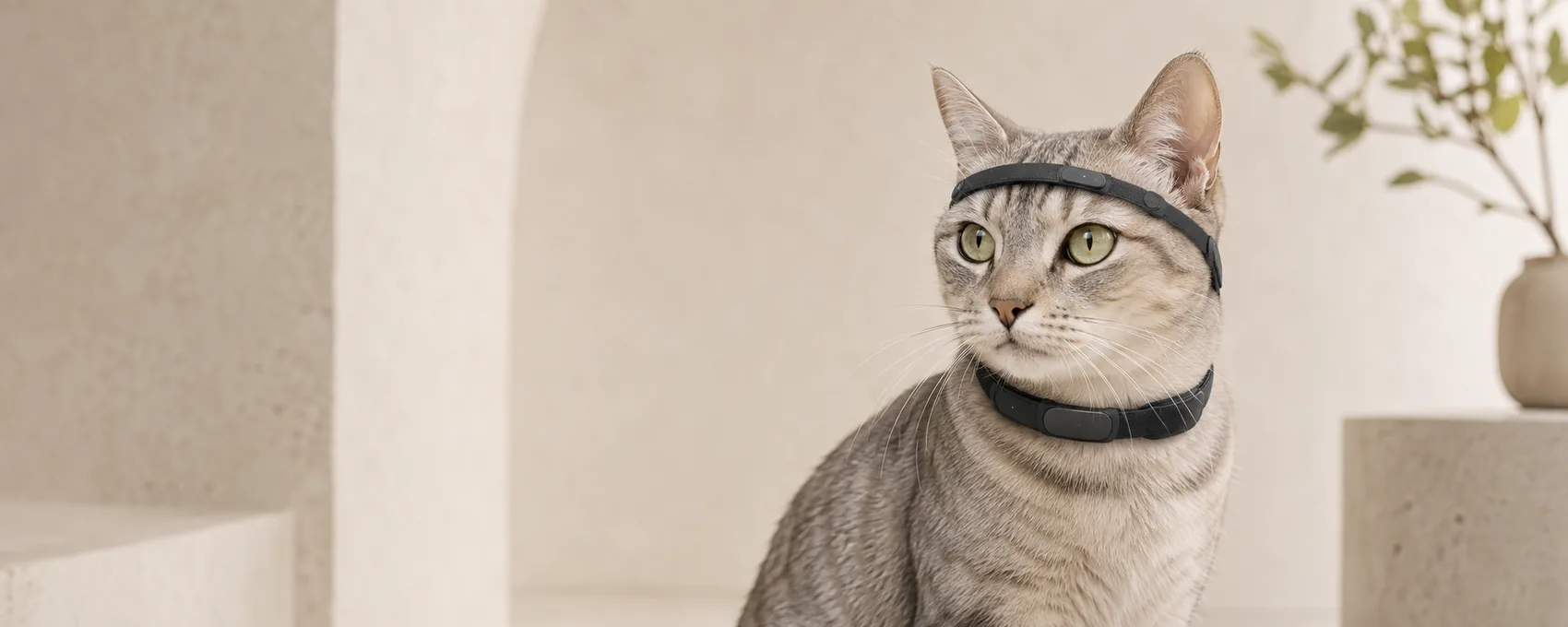
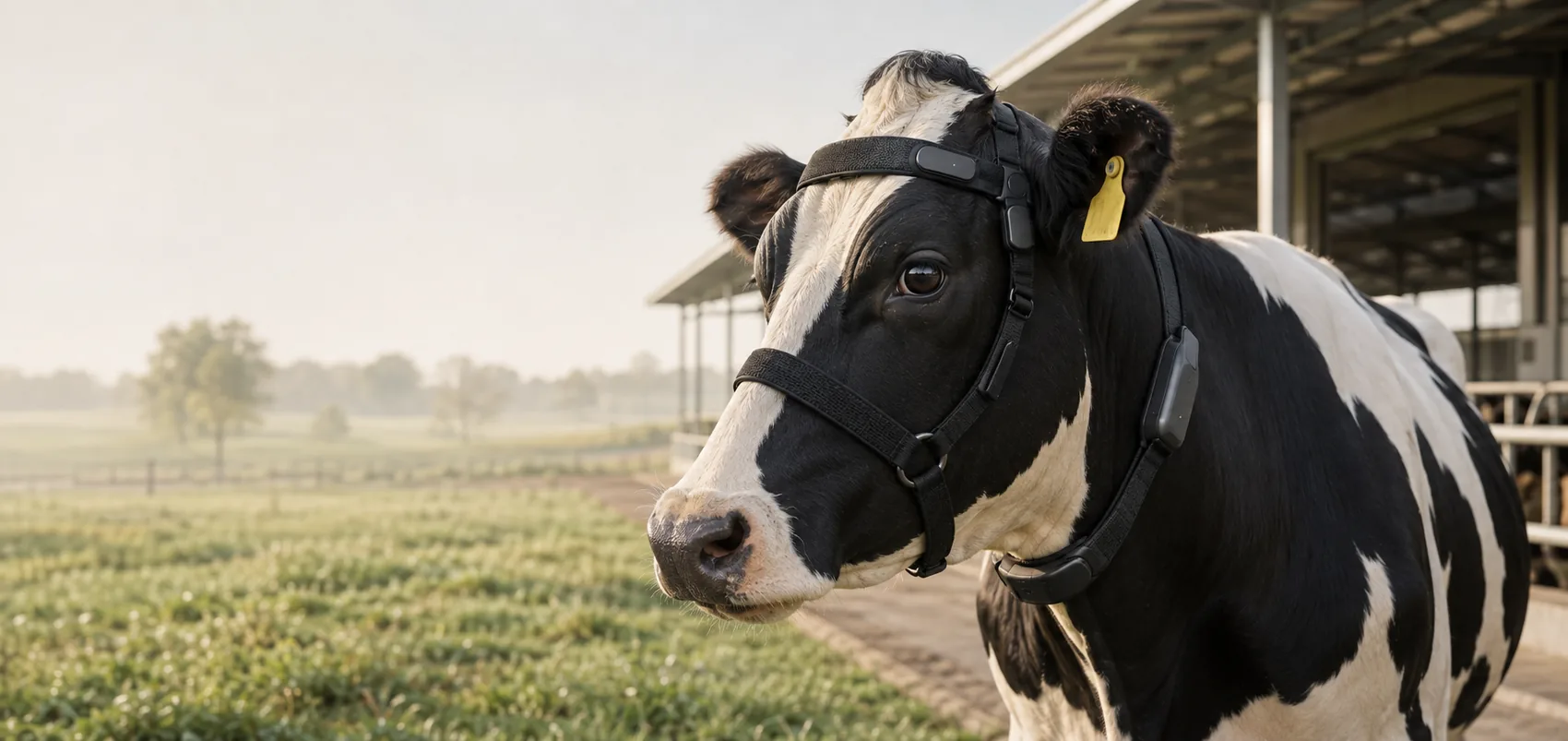
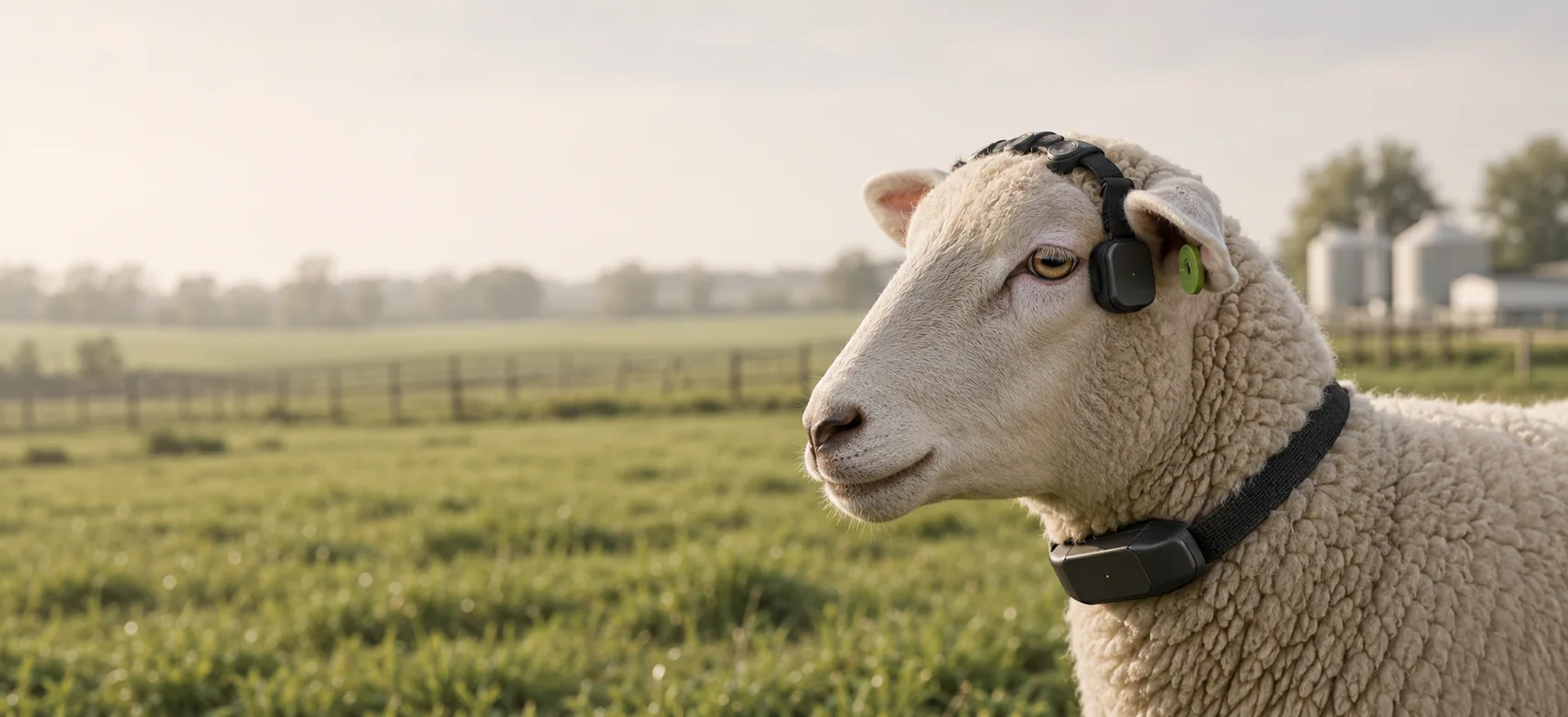
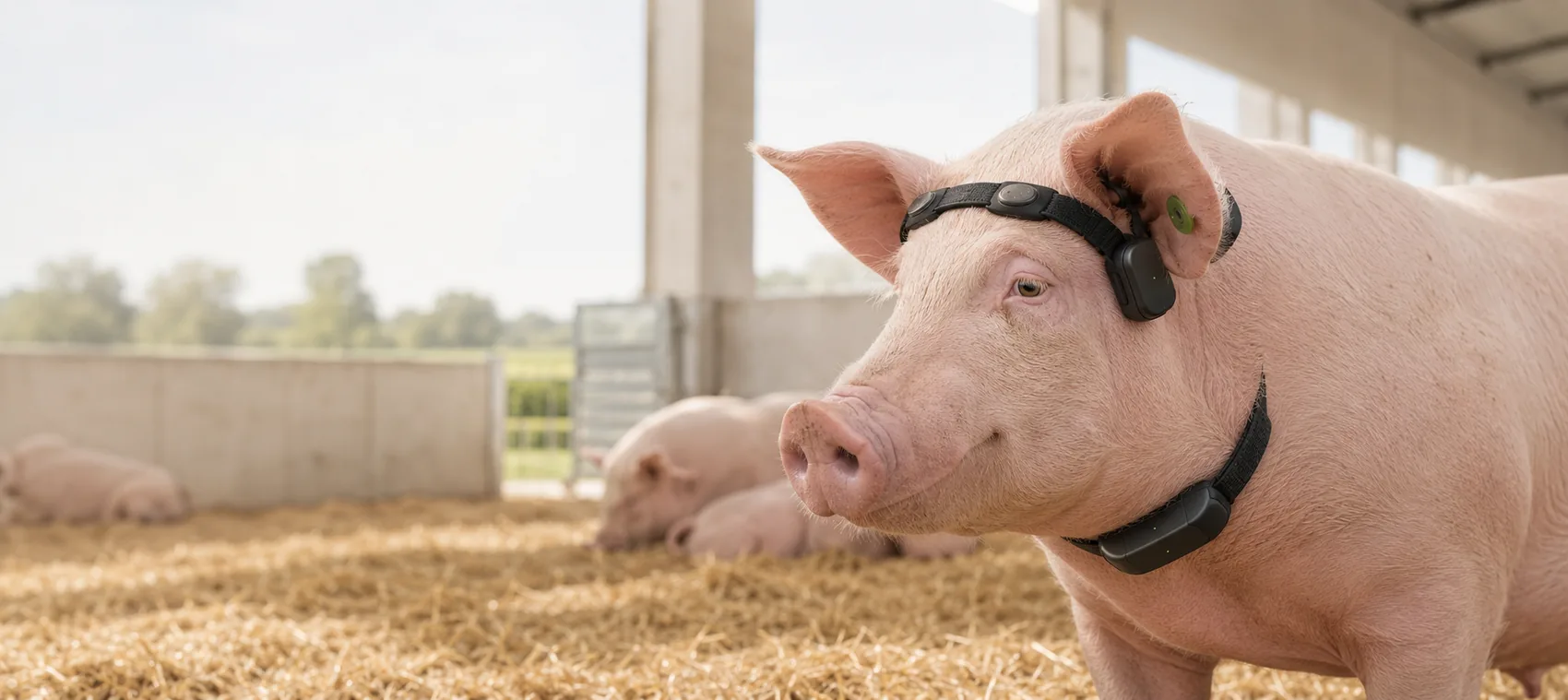
A horse that hasn't lain down in six nights is REM-deprived and nobody in the yard knows. A dog's seizures happen while its owner is at work. A cow's behaviour changes days before anyone notices she's unwell.
Your data
Raw brain activity never leaves the device unless you explicitly send it. Everything you see is computed on the band and on your phone.
Early access
Ninug is in development. We're looking for schools, sleep researchers, veterinary clinics and equine yards who want to test early — and for people who just want to be first in line.
office@verdeholding.hu
Common questions
No. Ninug is in development. You can reserve a device — reservations are free, nothing is charged until we ship, and you can cancel at any time.
Brain activity through dry electrodes, together with the room around you: carbon dioxide, noise, light and temperature. The point is the pair — a score on its own does not tell you what to change.
No. Ninug is not a medical device and cannot diagnose anything. It can tell you a question is worth asking; it cannot answer it.
Further reading