01
Break-of-pattern detection
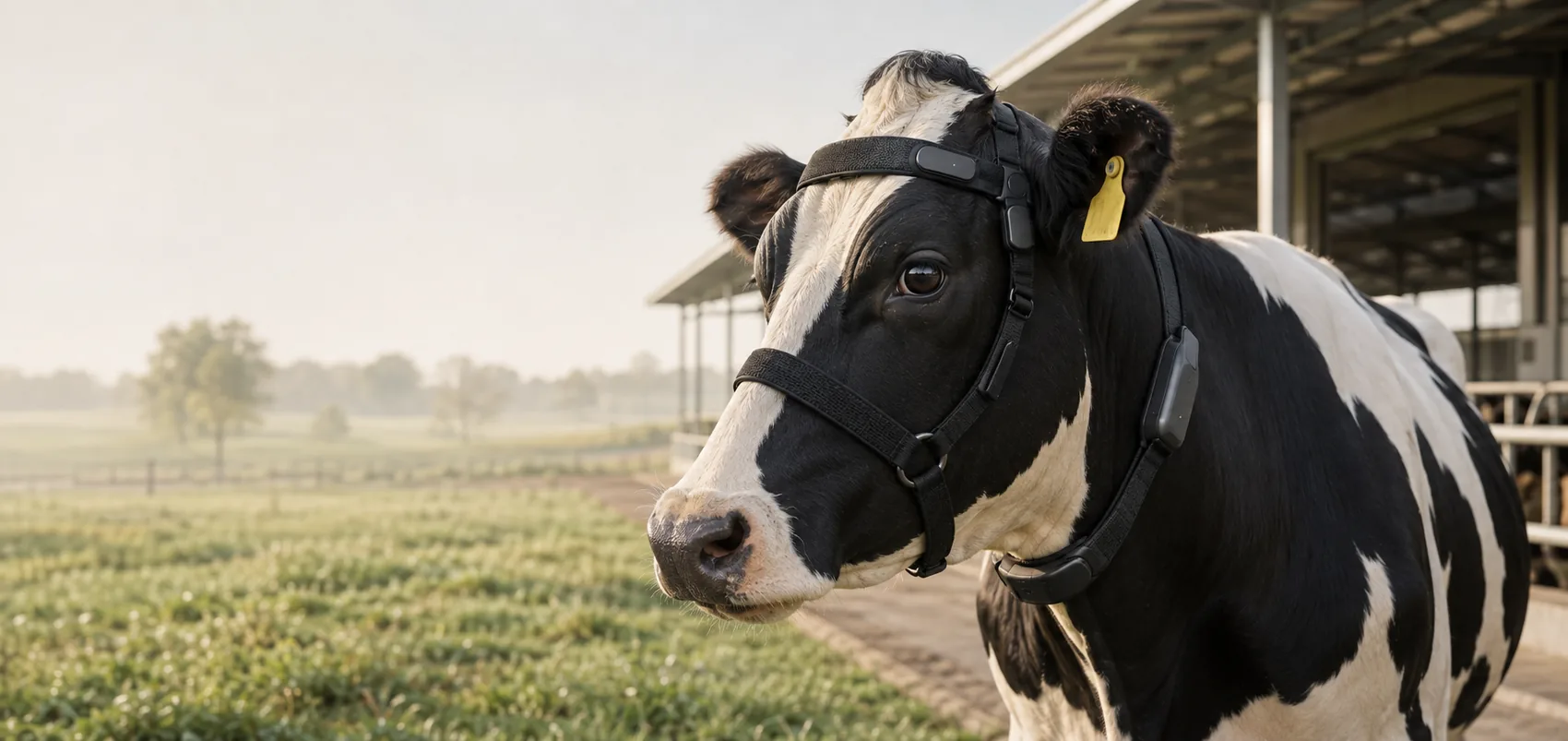
Animals change behaviour — rest, activity, rumination, feeding — before clinical signs appear. Flagging the individual that deviated from her own baseline first is the highest-value output there is, because earlier treatment is cheaper treatment and fewer losses.
02
Heat and transport stress
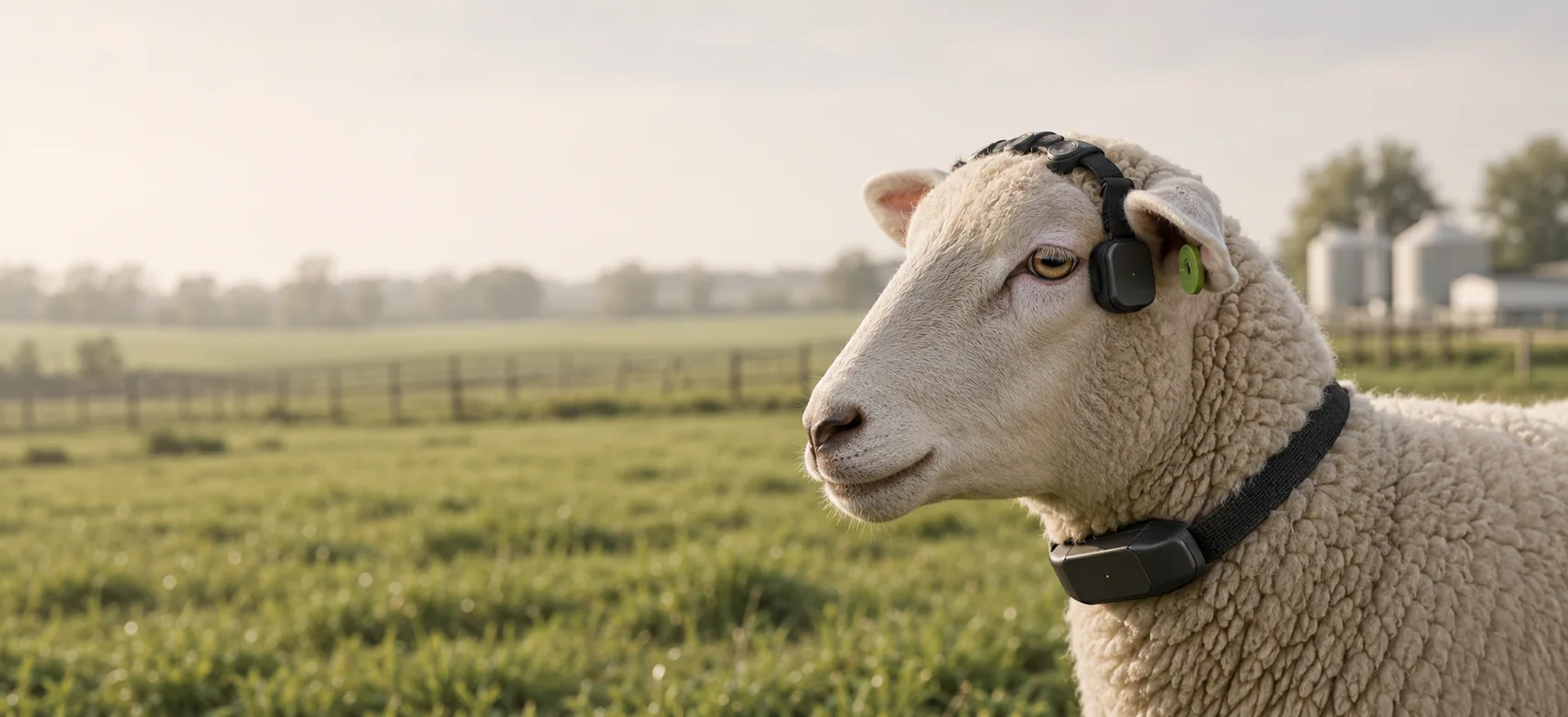
Continuous temperature, activity and rest through hot spells and journeys — the windows where welfare and productivity are both most exposed, and where intervention is still possible.
03
Auditable welfare evidence
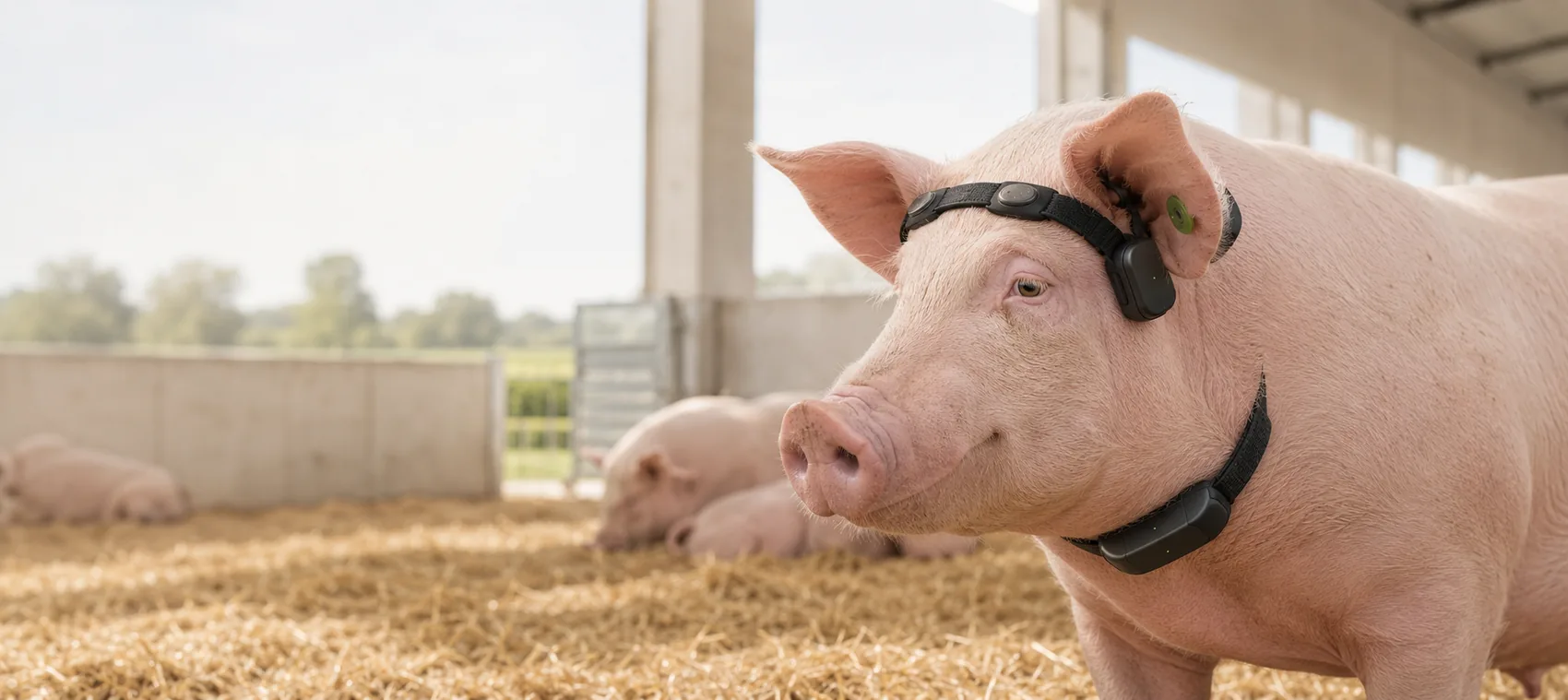
Retailers and assurance schemes increasingly want welfare demonstrated rather than asserted. Continuous records are the cheapest way to answer — and this comes out of a compliance budget, which makes it the most dependable money in the segment.